Tuesday, 1 August 2017

Here Are Hemp Oil's Most Significant Health Benefits:


  1. Hemp Oil Helps Maintain a Hormonal Balance: Hemp is the only edible seed that contains gamma-linolenic acid, which is eventually converted to the protective hormone prostaglandin PGE1 that regulates the hormonal balance and supports menopausal health.
  2. Hemp Oil Regenerates and Energizes The Skin’s Protective Layer: Due to its high content of omega 3 and omega 6 fatty acids, hemp oil has a composition similar to skin lipids, which makes it an excellent natural emollient and moisturizer. It is especially useful for dry, tired or dehydrated skin and nails. It increases the skin elasticity and water retention capacity in tissues. Pure hemp oil can be used to treat dry hair and is often included in hair conditioners.
  3. Hemp Oil is Great For Vegetarians: Getting the right balance of omega-3 and omega-6 fatty acids can be tricky for vegetarians and vegans. Hemp oil has the optimal ratio of these acids.
  4. Hemp Oil Helps Lower Cholesterol: The only vegetable oil to contain omega-3 and omega-6 fatty acids (3:1), hemp oil can help lower cholesterol levels by accelerating metabolic processes. With a faster metabolism, fats burn at a quicker rate and are not deposited on the artery walls. 
  5. Hemp Oil Can Be Good For Diabetics: Due to its low carbohydrate and sugar content, hemp oil is can be a great food additive for diabetics. The nutrients present in it can help moderate blood sugar levels.
  6. Hemp Oil Can Help Prevent Psoriasis: Psoriasis is caused by a deficiency of omega-6 fatty acids in the body. The fatty acids present in hemp oil help improve skin oxygenation and hydration.
  7. Hemp Oil Can Boost Your Immunity: Omega-3 and omega-6 fatty acids also improve immunity and regulate intestinal flora, thus building a natural barrier against microbes and increasing the resilience of the body. 
  8. Hemp Oil Helps Prevent Demyelination Of Nervous System: Essential fatty acids are necessary for a healthy cell membrane structure. They also prevent the demyelination, the destruction of the myelin sheath (a membrane that protects the nerve cells).
  9. Hemp Oil Can Help Prevent Varicose Veins: Like other compounds high in omega-3s, hemp oil can thin your blood, reducing blood clots and varicose veins.

Hemp oil or hempseed oil is obtained by pressing hemp seeds. Cold pressed, unrefined hemp oil is dark to clear light green in color, with a nutty flavour. The darker the color, the grassier the flavour. It should not be confused with hash oil, a tetrahydrocannabinol-containing oil made from the Cannabis flower, hailed by some  for its medicinal qualities.

Description
Refined hempseed oil is clear and colorless, with little flavor and lacks natural vitamins and antioxidants. Refined hempseed oil is primarily used in body care products. Industrial hempseed oil is used in lubricants, paints, inks, fuel, and plastics. Hempseed oil has found some limited use in the production of soaps, shampoos, and detergents. The oil is of high nutritional value because of its 3:1 ratio of omega-6 to omega-3 essential fatty acids, which matches the balance required by the human body. It has also received attention in recent years as a possible feedstock for the large-scale production of biodiesel. There are a number of organizations that promote the production and use of hempseed oil.

Nutrition
Main article: Hemp
About 30–35% of the weight of hempseed is an edible oil that contains about 80% as essential fatty acids (EFAs); i.e., linoleic acid, omega-6 (LA, 55%), alpha-linolenic acid, omega-3 (ALA, 22%), in addition to gamma-linolenic acid, omega-6 (GLA, 1–4%) and stearidonic acid, omega-3 (SDA, 0–2%).
The proportions of linoleic acid (LA) and alpha-linolenic acid (ALA) in one tablespoon per day (15 ml) of hempseed oil easily provides daily human requirements for EFAs[citation needed]. Advocates of hempseed oil hold that unlike flaxseed oil, hempseed oil can be used continuously without developing a deficiency or other imbalance of EFAs. This has supposedly been demonstrated in a small clinical study of 14 people, where the daily ingestion of flaxseed oil "resulted in a higher proportion of ALA" in serum cholesteryl esters and triglycerides as compared with the ingestion of hempseed oil. However, the hempseed oil "resulted in higher proportions of both LA and gamma-linolenic acid" as compared with the flaxseed oil ingestion, and the conclusion talks of "only minor effects on concentrations of fasting serum total or lipoprotein lipid".
In common with other oils, hempseed oil provides 9 kcal/g. Compared with other culinary oils it is low in saturated fatty acids.
Highly unsaturated oils, and especially poor quality oils can spontaneously oxidize and turn rancid within a short period of time when they are not stored properly; i.e., in a cool/cold, dark place, preferably in a dark glass bottle. Hempseed oil can be frozen for longer periods of storage time. Preservatives (antioxidants) are not necessary for high-quality oils that are stored properly.
Hempseed oil has a relatively low smoke point and is not suitable for frying. Hempseed oil is primarily used as a food oil and dietary supplement and has been shown to relieve the symptoms of eczema
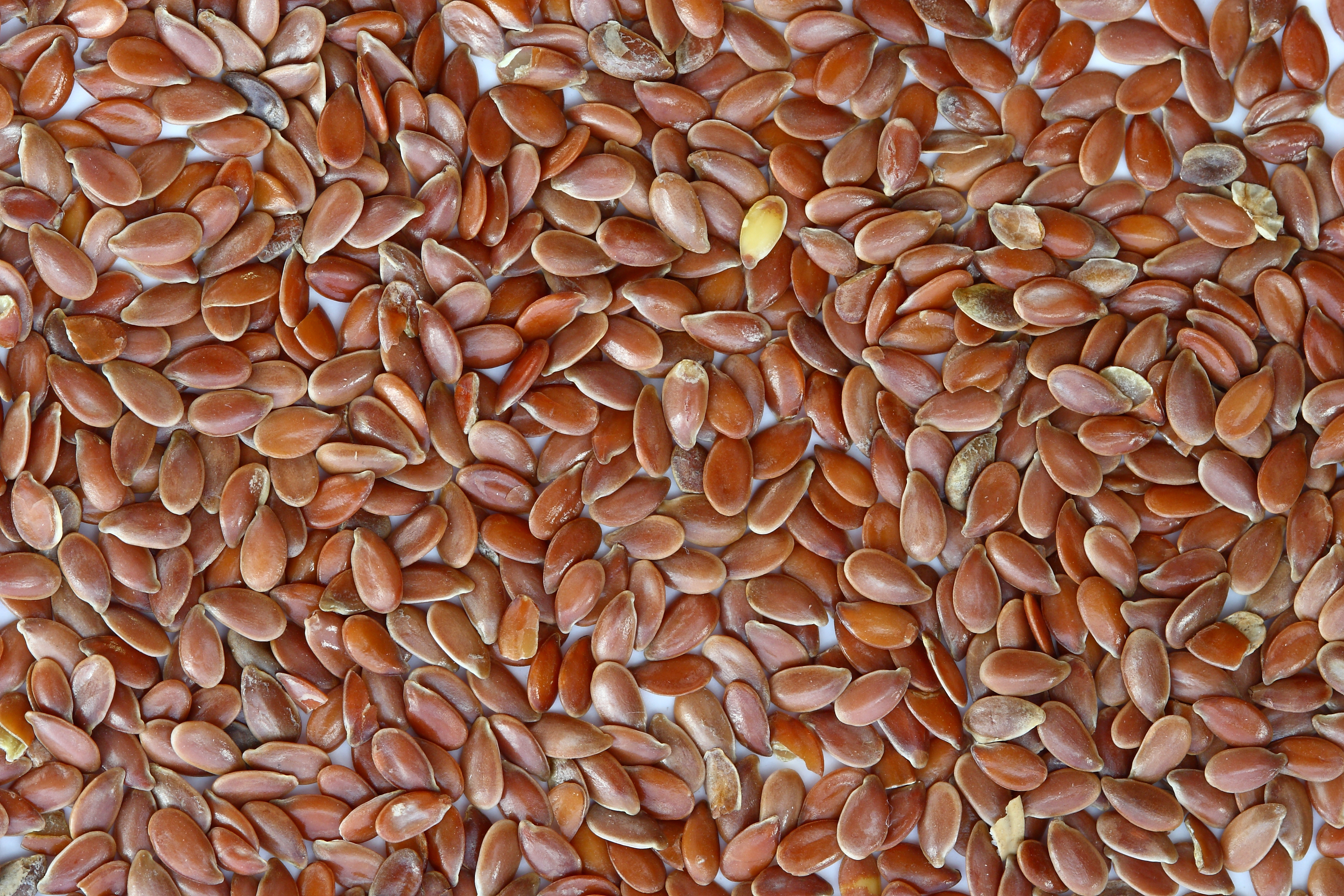
Image result for hemp seed oil wiki


Tuesday, 17 January 2017

Amino Acids

The building blocks of muscle protein and essential to the human body. There are 21 amino acids split into two categories, essential and non-essential. Essential amino acids cannot be produced by the body and must be consumed through our diet.

View The Range - Buy Products
Amino Acids

Tuesday, 20 September 2016

Could turmeric really boost your health?


Bold health claims have been made for the power of turmeric. Is there anything in them, asks Michael Mosley.
Turmeric is a spice which in its raw form looks a bit like ginger root, but when it's ground down you get a distinctive yellowy orange powder that's very popular in South Asian cuisine. Until recently the place you would most likely encounter turmeric would be in chicken tikka masala, one of Britain's most popular dishes.
These days, thanks to claims that it can improve everything from allergies to depression, it's become incredibly trendy, not just cooked and sprinkled on food but added to drinks like tea. Turmeric latte anyone?
Now I'm usually very cynical about such claims, but in the case of turmeric I thought there could be something to it. There are at least 200 different compounds in turmeric, but there's one that scientists are particularly interested in. It gives this spice its colour. It's called curcumin.
Thousands of scientific papers have been published looking at turmeric and curcumin in the laboratory - some with promising results. But they've mainly been done in mice, using unrealistically high doses. There have been few experiments done in the real world, on humans.
Michael Mosley holding a pinch of turmeric

  • Michael Mosley is one of the presenters of Trust Me, I'm A Doctor, broadcast on Thursdays at 20:00 BST on BBC Two - catch up on BBC iPlayer

This is exactly the sort of situation where we on Trust Me like to make a difference. So we tracked down leading researchers from across the country and with their help recruited nearly 100 volunteers from the North East to do a novel experiment. Few of our volunteers ate foods containing turmeric on a regular basis.
Then we divided them into three groups.
We asked one group to consume a teaspoon of turmeric every day for six weeks, ideally mixed in with their food. Another group were asked to swallow a supplement containing the same amount of turmeric, and a third group were given a placebo, or dummy pill.
The volunteers who were asked to consume a teaspoon of turmeric a day were ingenious about what they added it to, mixing it with warm milk or adding it to yoghurt. Not everyone was enthusiastic about the taste, with comments ranging from "awful" to "very strong and lingering".
But what effect was eating turmeric having on them? We decided to try and find out using a novel test developed at University College, London, by Prof Martin Widschwendter and his team.
Turmeric powder and rootImage copyrightISTOCK
Prof Widschwendter is not particularly interested in turmeric but he is interested in how cancers start. His team have been comparing tissue samples taken from women with breast cancer and from women without it and they've found a change that happens to the DNA of cells well before they become cancerous.
The change is in the "packaging" of the genes. It's called DNA methylation. It's a bit like a dimmer switch that can turn the activity of the gene up or down.
The exciting thing is that if it is detected in time this change can, potentially, be reversed, before the cell turns cancerous. DNA methylation may explain why, for instance, your risk of developing lung cancer drops dramatically once you give up smoking. It could be that the unhealthy methylation of genes, caused by tobacco smoke, stops or reverses once you quit.
So we asked Prof Widschwendter whether testing the DNA methylation patterns of our volunteers' blood cells at the start and end of the experiment would reveal any change in their risk of cancer and other diseases, like allergies. It was something that had not been done before.

Turmeric

Turmeric flowerImage copyrightSCIENCE PHOTO LIBRARY
  • Perennial herbaceous plant native to South Asia
  • Spice is gathered from the plants rhizomes (roots)
  • As well as being used in Indian food, turmeric is used in traditional medicine and as a dyeing agent

Fortunately he was very enthusiastic. "We were delighted," he said, "to be involved in this study, because it is a proof of principle study that opens entirely new windows of opportunity to really look into how we can predict preventive measures, particularly for cancer."
So what, if anything, happened?
When I asked him that, he pulled out his laptop and slowly began to speak.
"We didn't find any changes in the group taking the placebo," he told me. That was not surprising.
"The supplement group also didn't also show any difference," he went on.
That was surprising and somewhat disappointing.
"But the group who mixed turmeric powder into their food," he continued, "there we saw quite substantial changes. It was really exciting, to be honest. We found one particular gene which showed the biggest difference. And what's interesting is that we know this particular gene is involved in three specific diseases: depression, asthma and eczema, and cancer. This is a really striking finding."
Cook preparing Indian food
Image captionTurmeric has long been used in Indian food
It certainly is. But why did we see changes only in those eating turmeric, not in those taking the same amount as a supplement?
Dr Kirsten Brandt, who is a senior lecturer at Newcastle University and who helped run the experiment, thinks it may have something to do with the way the turmeric was consumed.
"It could be," she told me, "that adding fat or heating it up makes the active ingredients more soluble, which would make it easier for us to absorb the turmeric. It certainly gives us something, to work on, to try to find out exactly what's happening."
She also told me, because our volunteers all tried consuming their turmeric in different ways, that we can be confident it was the turmeric that was making the difference and not some other ingredient used to make, say, chicken tikka masala.
There is a lot more research that needs to be done, including repeating the experiment to see if these findings can be confirmed. But in light of what we've discovered will I be consuming more of the stuff? Probably. It helps that I like the taste and I've already begun experimenting with things like adding it with a touch of chilli to an omelette.


Monday, 22 August 2016

Buy Bone Health Products

Bone Health

Bones play many roles in the body, they provide structure, protect our organs and store calcium. Therefore its important you take steps to protect bone health. Our range of bone health supplements contains premium minerals and vitamins to support the maintenance of normal bones.
More Information Buy Products

Your bones are continually being remodelled. Old, worn-out bone is reabsorbed and new bone is laid down. Many different nutrients are needed to optimise bone mineral density, which is an important measure of bone strength.
Calcium: Your body contains around 1.2kg of calcium - 99% of which is stored in your skeleton. If calcium intake is low, it is quickly leached out of your bones, so a good calcium intake throughout life is therefore important in order to achieve a high peak bone mass and protect against future osteoporosis.
Vitamin D: Vitamin D is essential for the body to be able to absorb calcium. It also stimulates the production of new bone matrix proteins and the mineralisation of bone. Vitamin D can be made in the body by the action of sunlight on the skin, but production is significantly reduced during winter months, particularly in the UK. Taking vitamin D with calcium supplements can prevent the seasonal changes in bone turnover and bone loss seen in healthy adults, which are believed to contribute to osteoporosis risk. Supplements supplying natural vitamin D3 (cholecalciferol) are 20%-40% more effective in maintaining blood vitamin D levels than the synthetic form, vitamin D2 (ergocalciferol).
Magnesium: Bone contains a complex mixture of calcium and magnesium. Low intakes of magnesium are associated with reduced bone formation, increased bone reabsorption and appear to contribute to increased risk of bone fracture. A good magnesium intake from food and supplements helps to contribute towards increased bone strength.
Zinc: Zinc is needed for normal growth and development of all tissues, including bone. It appears to stimulate the activity of bone building cells (osteoblasts) and to suppress the activity of cells that break down bone (osteoclasts).
Boron: Boron is an ultratrace mineral (meaning it’s needed in very tiny amounts) that interacts with calcium, magnesium and vitamin D to improve bone strength. Its beneficial effects are even greater where intakes of vitamin D and magnesium are low. In post-menopausal women, boron supplements can reduce calcium and magnesium loss and increase blood levels of hormones such as beta-oestradiol, which have a bone building action to reduce calcium loss and bone thinning.
Vitamin K: Vitamin K is used for the activation of proteins (eg osteocalcin) that attract and bind calcium within bones. Lack of vitamin K is associated with low bone mineralisation and increased risk of fracture, while supplementation can improve bone mineral density.
Vitamin C: Vitamin C stimulates formation of bone matrix proteins such as collagen. Isoflavones have an oestrogen-like action that stimulates new bone formation and reduces bone-loss during menopause women.

The Benefits of Turmeric


Turmeric is a spice, commonly used in Asian food, derived from the root of the turmeric (Curcuma longa L.) plant. The plant is a perennial herb and a member of the Zingiberaceae (ginger) family. Curcumin is the yellow-colored primary active constituent derived from turmeric and is commonly used to colour foods and cosmetics.
The rhizome (root) of turmeric has long been used in traditional Asian medicine to treat gastrointestinal upset, arthritic pain, and "low energy." The dried root of turmeric is reported to contain 3-5% curcumin and research has indicated that curcumin may exert a number of potentially therapeutic effects, including anti-inflammatory, antioxidant, neuroprotective, and insecticidal properties. However, clinical evidence for these benefits is lacking.
Preliminary human evidence suggests curcumin’s possible efficacy in the management of several medical conditions including dyspepsia, osteoarthritis, hyperlipidemia and improving cognitive function.
Cognitive Function
Curcumin’s antioxidant and anti-inflammatory properties have been suggested as a means of improving or preserving cognitive function in conditions such as Alzheimer's disease and aging. Preliminary evidence has suggested that curry may be associated with improved cognitive performance (i); however, additional research is necessary to confirm these findings.
Dyspepsia and IBS
Turmeric has been traditionally used to treat a variety of gastrointestinal disorders, particularly indigestion associated with fatty meals and may provide some symptomatic relief (ii). A study evaluating a mixture of curcumin and other substances (lactoferrin, N-acetylcystein, and pantoprazole) for the treatment of Helicobacter pylori infection found that seven days of administration significantly improved symptoms of dyspepsia (iii).
Preliminary research has also suggested that turmeric may alleviate symptoms of irritable bowel syndrome (IBS) (iv).
Hyperlipidemia
Studies have reported reductions in low-density lipoprotein and total cholesterol and increase HDL cholesterol levels in response to taking turmeric (v).
Inflammation
Turmeric and its constituent curcumin have both been identified as possessing anti-inflammatory properties (vi). In clinical research, curcumin (400mg three times daily for five days) was found to reduce edema and tenderness in 40 subjects with postoperative inflammation after hernia or hydrocele repair (vii).
Osteoarthritis
Turmeric has been used historically to treat rheumatic conditions. Studies have shown turmeric and curcumin to possess anti-inflammatory properties, which may play a role in the symptomatic relief of osteoarthritis. In a comparative study, an extract of curcumin was seen to be as effective as ibuprofen in relieving pain and improving function in patients with osteoarthritis of the knee (viii).
In combination with other herbs turmeric has also been shown to be effective in skin conditions Other preliminary research suggests that turmeric and curcumin might also have antioxidant and immunostimulatory effects and in one study, vitamin E levels increased after 6 months of treatment with 1-4 grams/day of curcumin, possibly indicating that antioxidant effects of curcumin were sparing vitamin E. It is thought to interfere with viral infections and is currently being investigated for its use in HIV.
How Much Do You Need
Two level teaspoons of powder twice a day, or as capsules 500-1200mg, standardized to 95% curcuminoids. The rate of absorption appears to be increased by food.
Are there any cautions
As turmeric has been shown to decrease platelet aggregation, concomitant use of anti-coagulant medication such as warfarin or heparin is not advised without consulting your medical practitioner.
Why Healthspan’s Opti-Turmeric?

Standard curcumin isn’t water soluble and is therefore very poorly absorbed by our bodies. Opti-Turmeric’s unique formulation contains NovaSOL® curcumin micelles, which are water soluble resulting in optimum absorption in the intestine – it is 185 times better-absorbed and seven times faster-acting than standard turmeric tablets.

Healthspan’s highly potent capsules contain 500mg of NovaSOL® curcumin – the most bioavailable form of curcumin, along with 20mg of vitamin C which offers further support contributing to cartilage formation, as well as to immune health.

Thursday, 18 August 2016

The Benefits of Bromelain

Bromelain is a protein-digesting (proteolytic) enzyme complex found in the fruit and, in higher concentrations, in the stem of the pineapple (Ananas comosus). It is able to hydrolyze or break down a wide variety of protein types in a range of both acid and alkaline environments.
Originally isolated in the late 1800s, bromelain can play a key role in digestion, and perhaps more importantly, its properties have prompted many practitioners to use it as an agent in wound healing and the prevention of illness and irritation decades.

What Does Bromelain Do?

Put simply; Bromelain breaks down protein. This has fairly obvious benefits when you consider that many of the foods you eat contain high amounts of protein and they have been thoroughly cooked, destroying most of the naturally occurring enzymes. As a proteolytic enzyme, it assists the body’s own digestive mechanisms in reducing very large, complex protein molecules into smaller peptide units or individual amino acids.
These smaller components are crucial for your own production of muscle, neurotransmitters, and other protein-based molecules that your body produces. Many of bromelain’s benefits; however, are actually based on absorption of the intact enzyme in the small intestine; it is this absorption makes possible its systemic effects such as reducing redness.

The Health Benefits of Bromelain

Traditionally societies in South America have used pineapples to reduce digestive upset and reduce irritation. Here are some of the other amazing health benefits of this enzyme, as well as the studies that support the benefits of bromelain:

1. Swelling and Redness

Bromelain was approved in Europe as an effective remedy for swelling after surgery. Research shows that the bromelain enzyme may lower swelling, stop bruising, speed up healing time, and reduce discomfort in individuals following surgical procedures. One double-blind study of over 150 women who received episiotomies (surgical cuts in the perineum) during childbirth, found that women given large servings of oral bromelain over a period of 3 days, beginning 4 hours after delivery, showed a huge decrease in swelling, and discomfort. Ninety percent of women taking the supplement showed excellent recovery compared to 44% of women in the placebo group.

2. Sinus Discomfort

Bromelain is one of the most popular supplements in European countries such as Germany, where it is commonly used for sinus discomfort. Some research suggests that bromelain was effective at reducing discomfort and swelling.

3. Topical Applications for Burns

Due to its beneficial properties, bromelain is currently being studied for topical applications for burns. Recent lab studies on animals show that bromelain helps slough off dead tissue from third-degree burns. Other studies show its effective topical use in people with second- and third-degree burns.

4. Insect Bites and Stings

Bromelain may be applied topically to lower swelling and reduce discomfort associated with insect bites and stings.

5. Reduced Swelling After Sports Injuries

Studies show that bromelain may speed up healing time after a physical or sports injury. Taking it has been linked to reduced swelling related to sprains, strains, bruises, and other minor muscle injuries.

6. Osteoarthritis

Bromelain may also help relieve mild discomfort related to osteoarthritis. In fact, it is a common ingredient in most natural supplements for sore joints and muscles.

7. Varicose Veins and Hemorrhoids

This enzyme has been used in alternative medicine to promote cardiovascular health and hemorrhoids and other conditions of the veins.

8. Sinusitis

There are several studies that suggest bromelain may help reduce coughing and lessen mucus related to sinusitis, as well as reduce the swelling and redness that accompany hay fever. The German Commission E approved the bromelain enzyme for aiding imbalances of the ear, nose, and throat that occur after surgery. It is also approved for reducing general sinus infection swelling.

9. Indigestion and Heartburn

Because of its protease capacities, this enzyme may reduce indigestion and heartburn. Studies show that it is particularly effective when used in combination with other enzymes like amylase (which digests carbohydrates) and lipase (which digests fat). Other studies show its ability to reduce bloating, gas and other symptoms of irritable bowel syndrome.

10. Helps Balance the Acidity of the Stomach

Research shows that Bromelain can help balance the acidity of the stomach, as well as the alkalinity of the small intestine. A recent lab study confirms that this enzyme may help ease harmful organism related diarrhea. Another study suggests that it may be an up-and-coming natural remedy for IBD (inflammatory bowel disease)

11. May Boost Overall Immune Strength

Bromelain may boost overall immune strength in the human body. One German clinical study of 16 breast cancer patients found that oral supplementation of bromelain could help stimulate immune function in women. Other studies suggest that it may also boost the amount of certain immune system hormones, called cytokines (made in our white blood cells). Recent studies suggest that bromelain may help relieve some of the standard cancer side effects related to lowered immunity.

12. May Stop Blood Platelets From Clotting

Several laboratory and animal studies suggest that bromelain may stop blood platelets from clotting. This is exciting research in the direction of its effects on heart health.

13. Bronchitis, Pneumonia and Urinary Tract Infections

Animal studies suggest that bromelain possesses action against harmful organisms, and it may be effective for ailments resulting from their presence.

Understanding the Units of Measurement for Bromelain on a supplement label

Bromelain is a plant-source Protease whose activity is measured in PU (Papain Units). One FCC-PU (Plant Proteolytic Analytical Method) is defined in the assay as that quantity of enzyme that liberates the equivalent of 1 µg (microgram) of tyrosine per hour under the conditions of the assay. This procedure also determines the proteolytic activity of ficin and bromelain. It is based on a 60-minute proteolytic hydrolysis of a casein substrate at pH 6.0 and 40°C. Soluble casein is then measured spectrophotometrically at 280nm. The FCC notation stands for Foods Chemical Codex and is a division of USP (United States Pharmacopeia). It sets standards for ingredients. In the case of enzymes, FCC is a standard assay used to accurately determine the activity of enzymes. The current compendium is FCC VI.
Bromelain can be standardized on supplement labels as gelatin digesting units (GDU/gram), milk clotting units (MCU), Rorer units (RU), Bromelain Tyrosine Units (BTU/ gram), Casein Digestion Units (CDU/mg) or FIP units.
Example: Bromelain at 1000 GDU/g would be equal to a 15,000,000 FCC PU/g potency.
Where to buy - Healthspan
Bromelain
Buy From - Holland And Barrett


Friday, 8 July 2016

Buy Cod Liver Oil Products - Online

Cod Liver Oil

Cod liver oil provides high levels of beneficial omega 3 fatty acids as well as being a rich source of vitamins A and D. At Healthspan we only use the purest cod liver oil sourced from the unpolluted, sustainable fisheries of Iceland.